

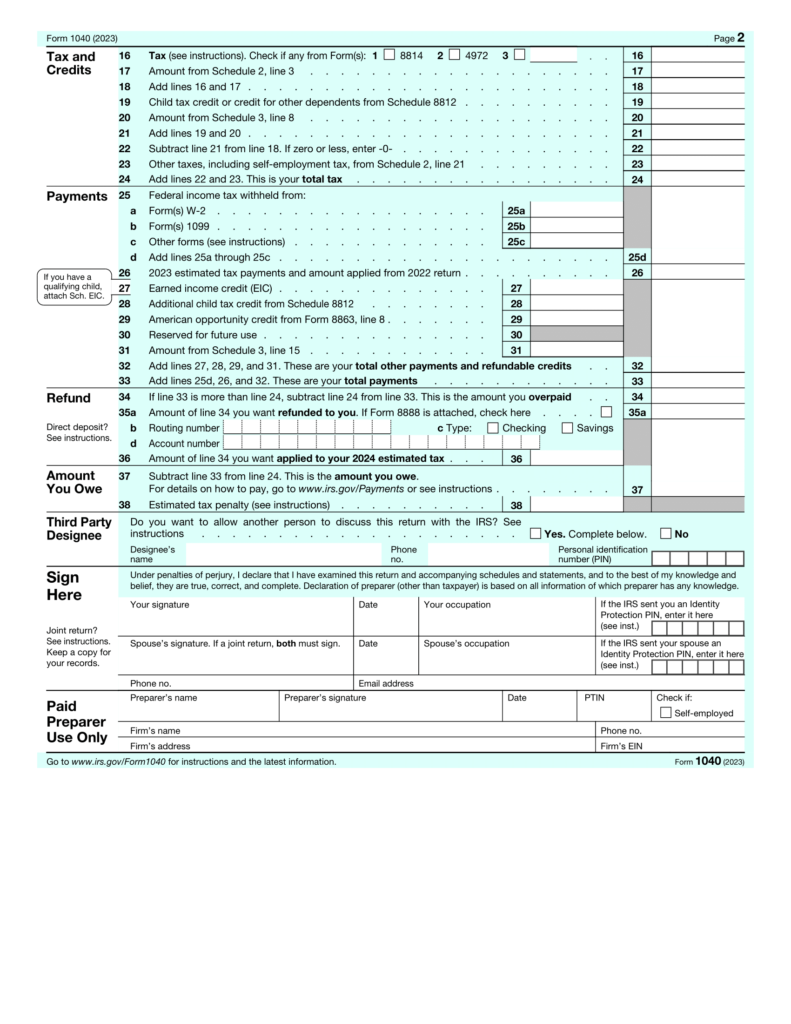
Navigating the world of taxes can be daunting, but understanding the essential forms and documents can make the process smoother. One of the most critical forms for U.S. taxpayers is the 1040 form. Whether you’re filing taxes for the first time or looking to refresh your knowledge, this guide will help you understand what the 1040 form is, its purpose, and how to fill it out correctly.
What is a 1040 Form?
The 1040 form, officially known as the “U.S. Individual Income Tax Return,” is the standard federal income tax form used by individuals to report their annual income to the Internal Revenue Service (IRS). This form determines if you owe additional taxes or are entitled to a refund based on your reported income, deductions, and credits.
Types of 1040 Forms
There are several variations of the 1040 form, each catering to different tax situations:
- Form 1040: The standard form used by most taxpayers.
- Form 1040-SR: Designed for taxpayers aged 65 and older, featuring larger print and a simplified layout.
- Form 1040-NR: For non-resident aliens who are required to file a U.S. tax return.
- Form 1040-X: Used to amend a previously filed 1040 form if you made an error or need to update information.
Components of the 1040 Form
The 1040 form is divided into several sections, each requiring specific information:
- Personal Information: Includes your name, Social Security number, and filing status (single, married filing jointly, etc.).
- Income: This section requires you to report all sources of income, such as wages, salaries, dividends, and other earnings.
- Deductions and Credits: Here, you can claim deductions (e.g., mortgage interest, student loan interest) and credits (e.g., earned income tax credit, child tax credit) to reduce your taxable income.
- Tax and Payments: This part calculates your total tax liability and compares it to the taxes you’ve already paid through withholding or estimated payments.
- Refund or Amount Owed: Depending on the calculations, this section will indicate if you are owed a refund or if you need to pay additional taxes.
How to File a 1040 Form
Filing a 1040 form can be done either electronically or by mail. Here’s a step-by-step guide to help you through the process:
- Gather Documents: Collect all necessary documents, such as W-2s, 1099s, receipts for deductions, and proof of any credits you’re claiming.
- Choose Your Filing Status: Determine your filing status based on your marital situation and other factors.
- Complete the Form: Fill out each section of the 1040 form accurately. Many taxpayers use tax software or consult Profitable Solutions for assistance.
- Submit the Form: You can e-file your return using IRS-approved software or mail a paper return to the appropriate IRS address.
Common Mistakes to Avoid
To ensure your 1040 form is processed smoothly, avoid these common errors:
- Incorrect Personal Information: Double-check your Social Security number and other personal details.
- Math Errors: Use a calculator or tax software to avoid miscalculations.
- Missing Signatures: Ensure you sign and date the form before submitting it.
- Overlooking Income: Report all sources of income to avoid penalties.
Helpful Tips for Completing the 1040 Form
Here are some additional tips to make filling out the 1040 form more manageable:
- Organize Your Records: Keep all your tax documents in one place to avoid last-minute searches. This includes your W-2s, 1099s, receipts for deductions, and statements related to any investments or other income sources.
- Review Tax Law Changes: Tax laws can change from year to year. Stay updated on any new tax laws or changes to existing ones that might affect your filing. The IRS website is a reliable source for current tax information.
- Use IRS Resources: The IRS provides various resources to help taxpayers, including free publications, instructions, and online tools. The IRS website also offers a detailed guide to help you understand and complete the 1040 form.
- Consider Professional Help: If your tax situation is complex, consider seeking help from Profitable Solutions. We can provide valuable guidance and ensure your return is accurate.
- File Early: Avoid the stress of last-minute filing by completing your return well before the April deadline. Filing early also reduces the risk of identity theft, as it prevents someone else from filing a fraudulent return in your name.
What to Do After Filing
Once you’ve filed your 1040 form, there are a few steps you should take to ensure everything is in order:
- Keep a Copy: Always keep a copy of your completed 1040 form and all supporting documents for your records. You’ll need these if the IRS has any questions about your return or if you need to amend it later.
- Monitor Your Refund: If you’re expecting a refund, you can check the status using the “Where’s My Refund?” tool on the IRS website. This tool provides updates on the progress of your refund.
- Pay Any Owed Taxes Promptly: If you owe additional taxes, ensure you pay by the April deadline to avoid interest and penalties. The IRS offers various payment options, including online payments and installment plans if you need more time.
- Plan for Next Year: Use this year’s tax experience to prepare for the next. Consider adjusting your withholding if you owed a significant amount or received a large refund. Proper planning can help you avoid surprises and optimize your financial situation.
Common Questions About the 1040 Form
Here are answers to some frequently asked questions about the 1040 form:
Q: Who needs to file a 1040 form?
A: Most U.S. citizens and residents who meet certain income thresholds are required to file a 1040 form. These thresholds vary based on filing status, age, and type of income.
Q: Can I file my 1040 form online?
A: Yes, the IRS encourages e-filing as it is faster, more accurate, and provides quicker refunds. There are many IRS-approved e-filing options, including free file software for those who qualify.
Q: What should I do if I make a mistake on my 1040 form?
A: If you discover an error after filing, you can correct it by submitting a 1040-X form, which is used to amend your return. Be sure to include any necessary documentation to support the changes.
Q: How long does it take to get a refund?
A: Refunds are typically issued within 21 days if you e-file and choose direct deposit. Paper returns and mailed refunds can take longer.
Additional Resources for 1040 Form Filers
To further support your understanding and filing of the 1040 form, here are some additional resources:
- IRS Website: The official IRS website offers comprehensive information, instructions, and forms. Visit IRS.gov to access these resources.
- Taxpayer Advocate Service: An independent organization within the IRS, the Taxpayer Advocate Service provides free help to taxpayers facing hardships. Learn more at taxpayeradvocate.irs.gov.
Volunteer Income Tax - Assistance (VITA): This program offers free tax help to people who generally make $57,000 or less, persons with disabilities, and limited English-speaking taxpayers. Find a VITA site near you by visiting irs.gov/individuals/free-tax-return-preparation-for-qualifying-taxpayers.
Tax Counseling for the - Elderly (TCE): This program provides free tax help to all taxpayers, particularly those aged 60 and older. Learn more at irs.gov/individuals/tax-counseling-for-the-elderly.
Keeping Up with Tax Changes
Tax laws and regulations can change frequently, impacting how you file your 1040 form. Staying informed about these changes is essential. Here are some ways to keep up-to-date:
- Subscribe to IRS News: The IRS provides updates on tax law changes, filing deadlines, and other important information. Subscribe to their newsletter at irs.gov/newsroom/e-news Subscriptions.
- Consult Profitable Solutions: Regularly consult with Profitable Solutions who stay updated on the latest tax laws and can provide personalized advice.
- Use Tax Software: Many tax software programs update automatically to reflect the latest tax laws and provide guidance on new deductions and credits.
Understanding Common Tax Credits and Deductions
Maximizing your refund or reducing your tax liability often involves taking advantage of credits and deductions. Here are some common ones to consider:
- Earned Income Tax Credit (EITC): A refundable credit for low-to-moderate-income working individuals and families. Eligibility depends on your income and the number of children you have.
- Child Tax Credit: This credit offers financial relief to taxpayers with qualifying children. The amount of the credit varies based on income and the number of children.
- Education Credits: The American Opportunity Tax Credit (AOTC) and the Lifetime Learning Credit (LLC) help offset the costs of higher education.
- Mortgage Interest Deduction: Homeowners can deduct the interest paid on their mortgage, reducing taxable income.
- Charitable Contributions: Donations to qualified charities can be deducted if you itemize your deductions.
Final Thoughts
Filing your taxes doesn’t have to be a stressful experience. By understanding the 1040 form and utilizing available resources, you can confidently navigate the tax filing process. Remember to stay organized, keep up with tax law changes, and seek professional help if needed from Profitable Solutions.
Your tax return is not just a mandatory annual task; it’s an opportunity to ensure you’re making the most of available deductions and credits, potentially saving money or increasing your refund. Approach it with the knowledge and tools at your disposal, and you’ll find the process more manageable and even rewarding.
Happy filing, and here’s to a smooth and successful tax season!
This post is to be used for informational purposes only and does not constitute legal, business, or tax advice. Each person should consult his or her own attorney, business advisor, or tax advisor with respect to matters referenced in this post. Profitable Solutions assumes no liability for actions taken in reliance upon the information contained herein.